Trust is one of those words that sounds simple but carries the weight of a lifetime. It’s not something we can buy, force, or rush into existence. Trust is a living thing—delicate yet powerful. It must be built slowly, almost brick by brick, experience by experience, moment by moment.
And yet, despite all that effort, it is astonishingly fragile. Trust can be cracked in a single breath, a broken promise, or a silence where words were needed most. Many of us carry the scars of betrayal, disappointment, or abandonment—the sting of someone proving themselves unsafe. But what if trust isn’t only about other people? What if its true foundation begins not outside of us, but within?
Learning to Trust Yourself First
For years, I thought trust was synonymous with depending on others. I believed it meant relying on people to show up, to keep their word, to never let me down. But life has a way of teaching hard lessons. Even the people we love most are human. They falter. They fail. They make mistakes—not always out of malice, but simply because they are human.
The turning point for me came after my accident. Suddenly, I had to rebuild not only my body but also my faith in my ability to move forward. That experience taught me that real trust begins with me. It lives in the small, daily choices:
- Keeping the promises I make to myself.
- Honoring my own boundaries, even when it’s uncomfortable.
- Listening to my inner voice, especially when it whispers against the noise of the world.
When I show up for myself consistently, I create a steady ground where others can stand too. Self-trust is not selfish—it’s the root of all other trust. Without it, every connection we build is built on shaky soil.
Trust After the Breaking
If you’ve ever had your trust shattered, you know it doesn’t heal overnight. It’s like carrying a cracked vase—you handle it carefully, afraid that one wrong move will make it collapse completely. I’ve been there. I’ve felt the ache of wondering whether I could ever hand over my heart, my dreams, or my story again without fear of them being dropped.
But here’s the truth I’ve discovered: broken trust doesn’t mark the end. In fact, sometimes it becomes the very soil where deeper, stronger trust grows. Pain reshapes us. It strips away illusions, but it also gifts us discernment. The trust that grows after betrayal is not blind—it is wiser. It carries both courage and caution, both faith and discernment.
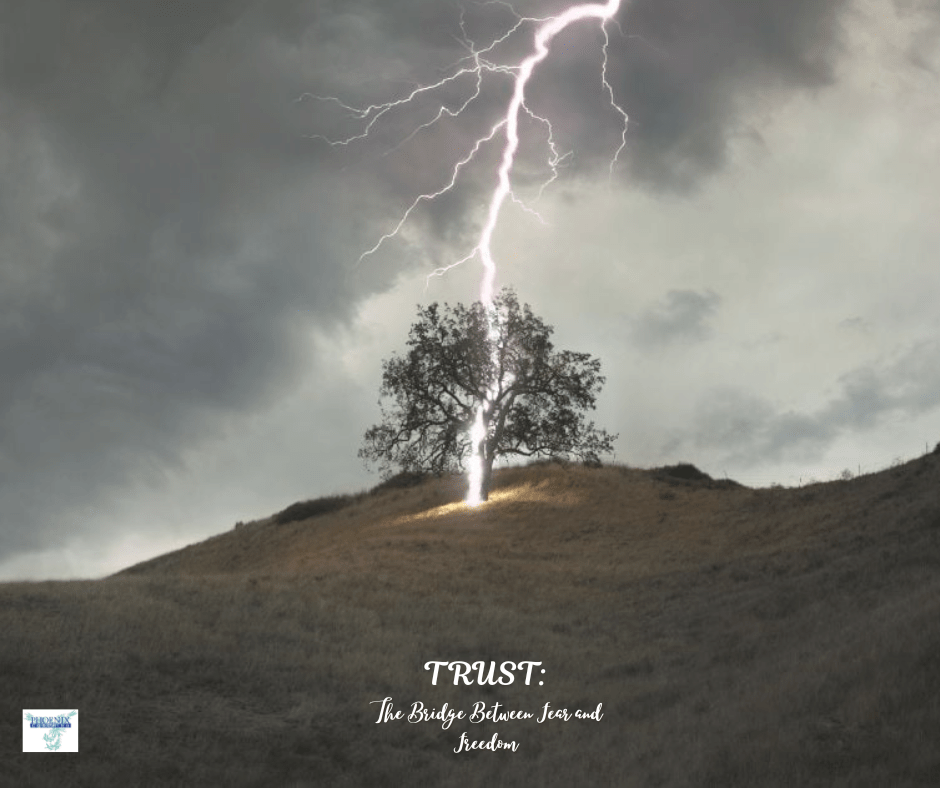
I like to think of it as a tree that was once struck by lightning. Though scarred, it still stands, its roots digging deeper than before, anchoring it with strength that storms cannot take away.
Trust as Surrender
Trust is not only about people—it is also about surrender. It is loosening our white-knuckle grip on outcomes, timelines, and the illusion of control. It is whispering, “I don’t know what tomorrow holds, but I will step into it anyway.”
For me, this surrender has been deeply spiritual. After my accident, I couldn’t rush my recovery, and I couldn’t predict the outcome of each day. I had to learn to hand over the heavy “what ifs” and the endless “how wills” to something greater than myself. Trust became less about control and more about faith.
And in that surrender, I discovered something surprising: peace. A peace that control never gave me. Trusting doesn’t erase the unknown, but it allows you to breathe within it.
Building Trust in Relationships
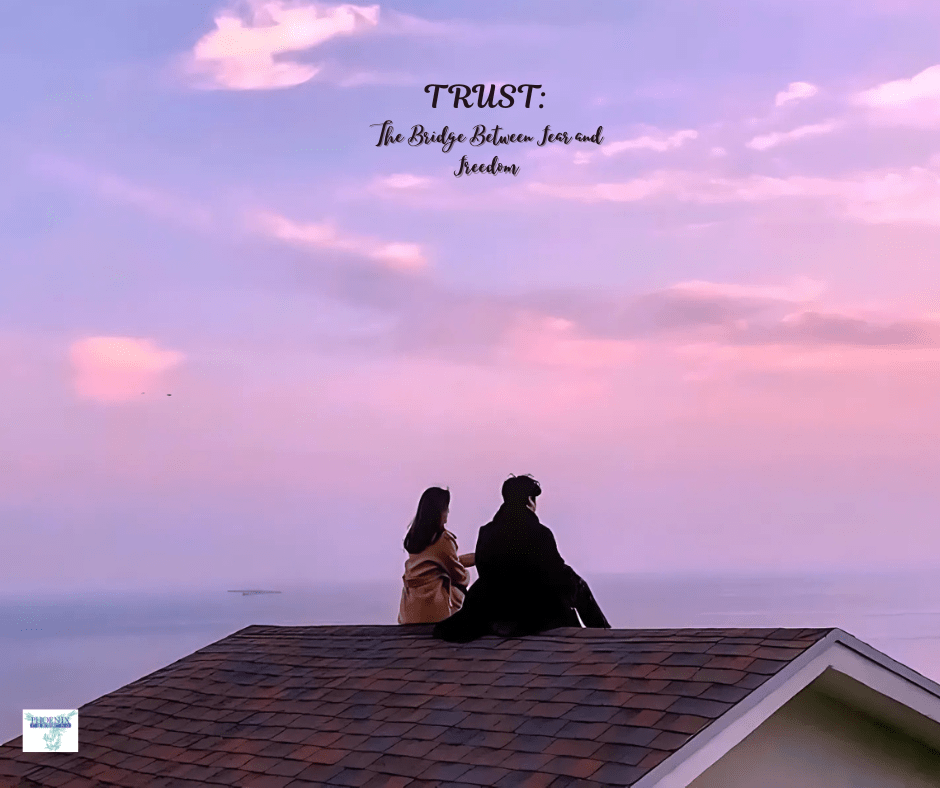
We often imagine trust as a grand, dramatic gesture—yet in reality, it’s built in the quiet, ordinary things. It’s in showing up when you say you will. Speaking the truth even when it’s hard. Listening—not to reply, but to truly understand.
Trust thrives not in perfection but in consistency. It is not about never making mistakes—it’s about owning them, repairing them, and choosing to show up again. In relationships, trust becomes the steady rhythm, the unspoken promise that says, “You matter enough for me to keep trying.”
The Trust We Crave
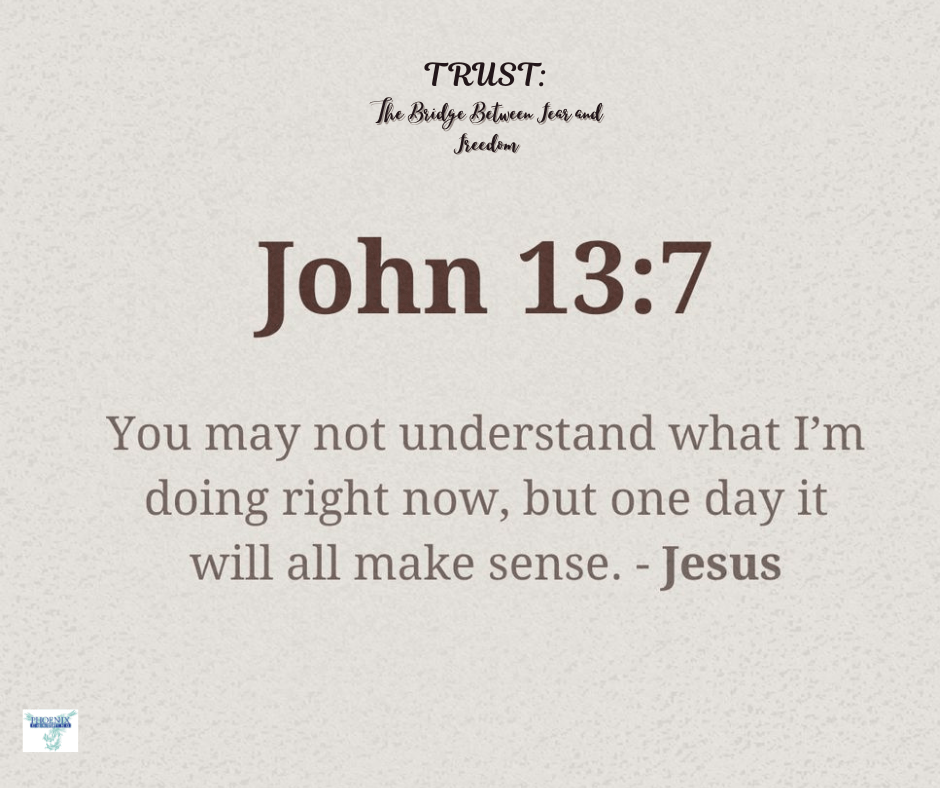
Every single one of us longs for a place where we can finally exhale. A space where we don’t need to guard every word or action, where we don’t have to constantly wonder if we’re safe. That’s what trust gives us—whether it’s found in a person, within ourselves, or in God.
It’s not about creating a life free of pain or disappointment. That’s impossible. Instead, it’s about knowing that even if we stumble, even if we fall, there will be something—or someone—there to catch us.
For me, that “something” was a mixture of my own resilience, the love of those who stayed by my side, and a faith that whispered, “You are not walking this alone.”
Trust does not remove life’s storms. But it becomes the bridge that carries us from fear into freedom, from doubt into faith, from isolation into connection.
✨ Reflective Question for You:
Where in your life are you being invited to trust more deeply—yourself, others, or something greater?
 Clarity Cookies
Leave a comment