A Journey of Independence, Courage, and the Quiet Revolution of Caring for Yourself
The Silence After the Door Closes
When my caregiver walked out the door for the last time, I felt something shift inside me. It wasn’t just the absence of her hands—it was the absence of a shield I didn’t realize I’d been holding. For years, someone had been there. Always there. Helping me dress. Making my meals. Sorting through the practical maze of living with a disability in a world not built for me. And while I was grateful—genuinely grateful—I’d also become comfortable with dependence. Comfortable with letting someone else navigate the impossible.
But comfort, I was learning, isn’t the same as living.
There’s a particular kind of silence that fills a space when you’re left alone with yourself and the weight of your own needs. I sat with that silence. I let it settle. And in that settling, something unexpected bloomed: curiosity. Not fear—well, not just fear. But beneath the trembling uncertainty was a quiet question: *What if I could do this?*
The First Step: The Smallest Act of Rebellion
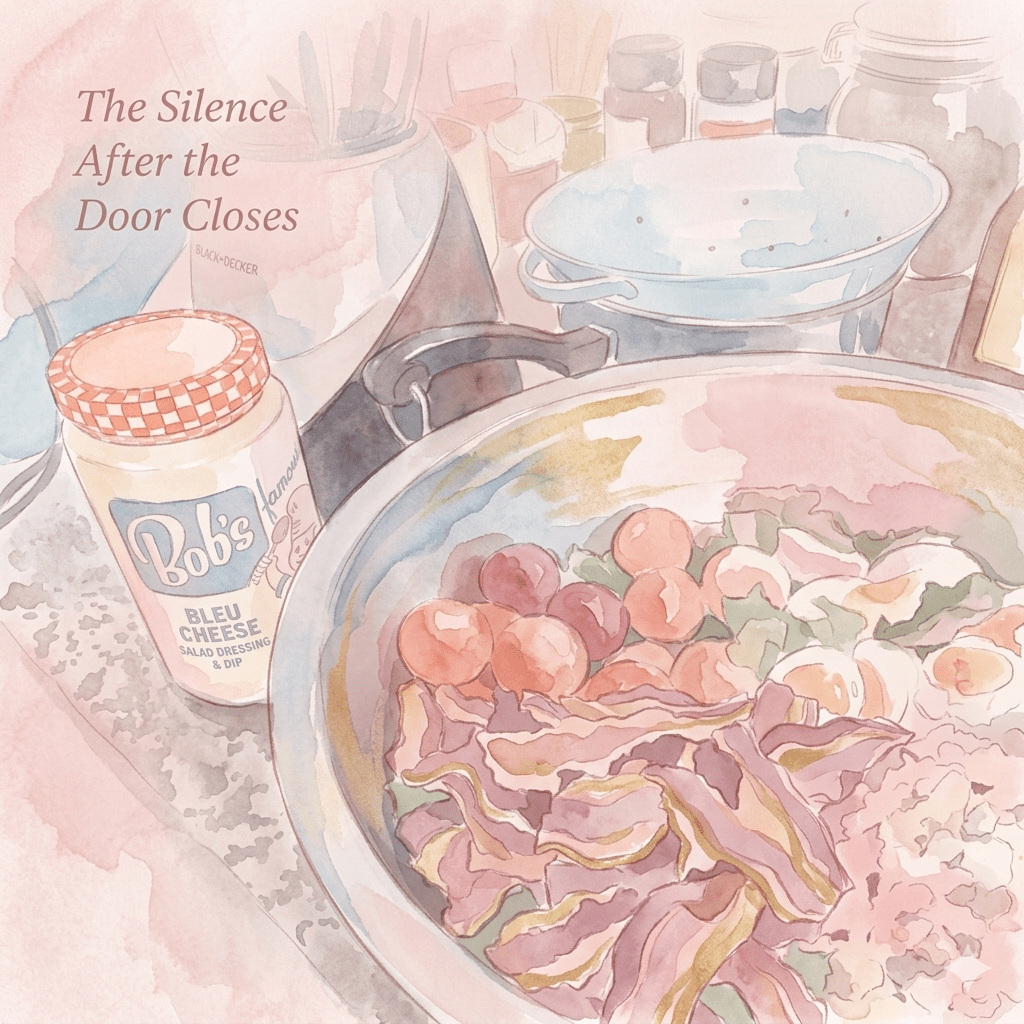
They say the first step is the hardest, but no one tells you how many first steps you’ll take. I started small. Absurdly small, by some measures. I made a cobb salad. Just a cobb salad. I chopped the lettuce, arranged the bacon and avocado and egg and blue cheese, whisked together the dressing with my own hands, and set it before me. My hands shook. My disability made my hands shake, made the arrangement uncertain. But it was mine. That salad was made by my own hands, flavored by my own effort.
That salad tasted like freedom.
I didn’t take it for granted the way I might have before. I sat with it and let it nourish me from the inside out. And I thought: If I can do this, what else can I do?
The fear was still there—it didn’t disappear just because I made a cobb salad. Fear is not something you overcome and leave behind like a suitcase at the station. Fear is something you walk alongside. You acknowledge it. You thank it for trying to keep you safe. And then you do the hard thing anyway, because you’ve realized that staying safe also means staying small.
That was the bargain I made with myself that day: I would be afraid. But I would not let fear be the final word.
Learning to Dance with Difficulty
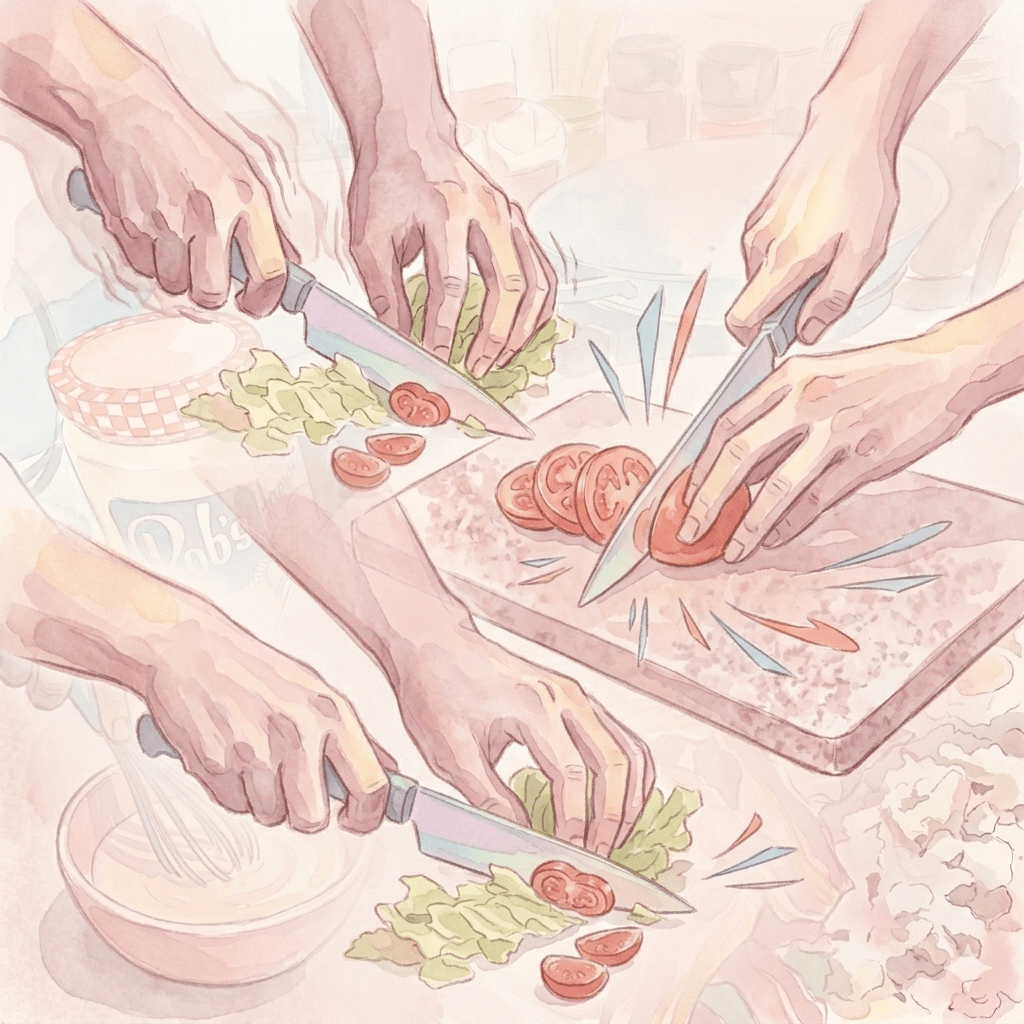
Cooking became my next frontier. Not gourmet cooking—I wasn’t suddenly channeling Julia Child—but real, nourishing meals made by my own hands in my own kitchen. Scrambled eggs. Pasta. Rice and vegetables. Simple things that most people take for granted, and yet for me, each one felt like climbing a mountain with rocks in my backpack.
My disability didn’t make it easy. Fatigue crept in unexpectedly. My hands wouldn’t cooperate the way I wanted. Some days, I couldn’t do what I’d done the day before, and that was a special kind of heartbreak—that unpredictability, that betrayal by your own body. There were moments I sat on the kitchen floor and cried, frustrated and angry and defeated.
But here’s what I discovered in those moments of frustration: difficulty is not the same as impossibility. Difficult just means it takes longer, it takes more intention, it takes more patience with yourself than you thought you had to give. Difficult means you have to be clever about it. You have to get creative. You have to ask for a different kind of help—not the kind that removes your agency, but the kind that supports it.
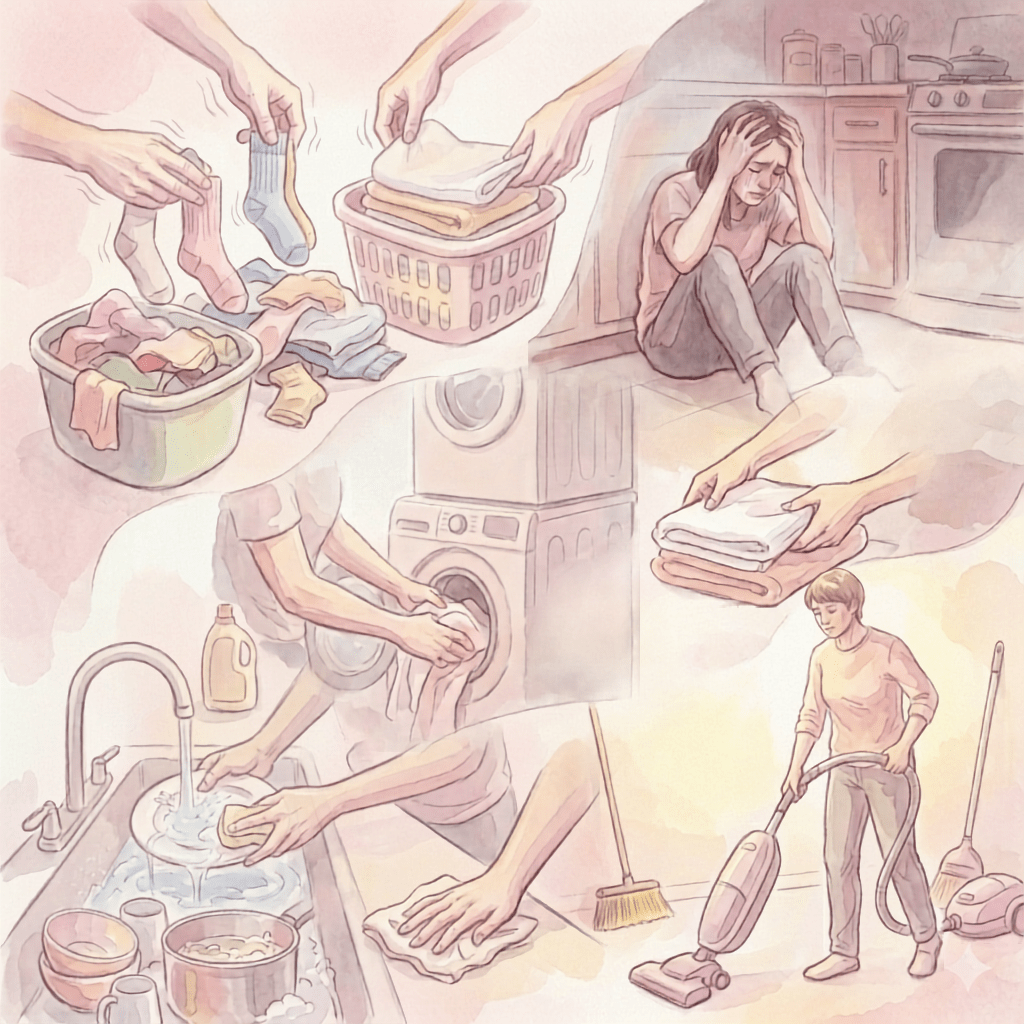
Laundry came next. The sorting, the loading of the machine, the folding. Again: simple things that are not simple when your body doesn’t cooperate. Again: I fumbled and failed and showed up the next day anyway. And slowly—so slowly you can barely see it happening—something shifted. I stopped seeing these tasks as mountains. I started seeing them as part of my day, part of my rhythm, part of what it means to be alive and responsible for myself.
And I became proud. So proud it sometimes surprised me.
The Unexpected Gift of Necessity
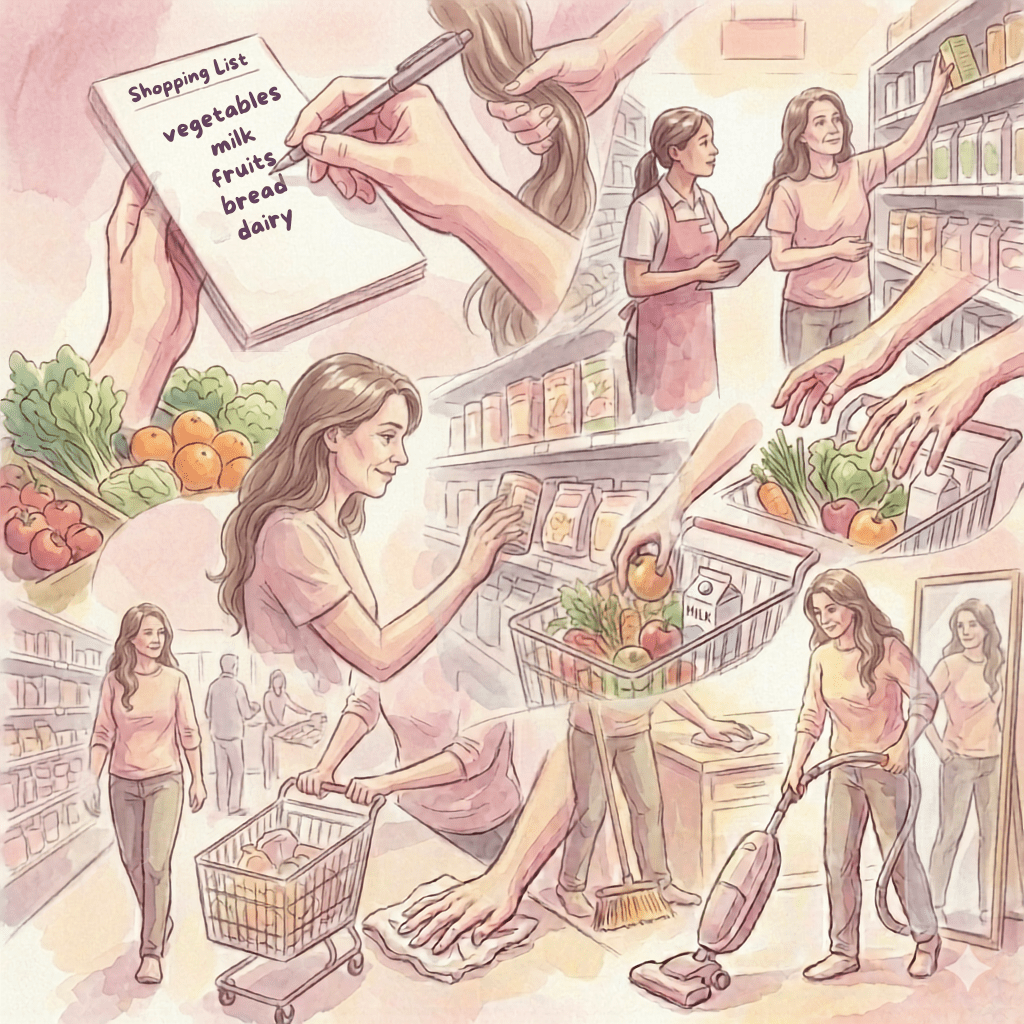
Shopping—for groceries, for necessities, for the small things that keep a life running—became its own education. I learned to plan. I learned to make lists. I learned to navigate stores with mobility challenges and exhaustion. I learned that asking for help in the store isn’t failure; it’s strategy. I learned that independence isn’t about doing everything alone—it’s about making your own choices and directing your own life, even if that life sometimes requires partnership.
When I pushed my cart through the store, making decisions about what I would eat, what I needed, what brought me joy, I felt something I hadn’t felt in years: agency. Control. The understanding that this life was mine to shape.
What surprised me most was the joy. I thought independence would feel like burden. I imagined it as weight and struggle and loneliness. And yes, some days it’s that. But other days—most days, actually—it feels like the most profound privilege. To know myself. To take care of my own needs. To look in the mirror and see someone who is taking responsibility for her own existence.
This is what I think about when I think about living with disability: it asks you to reimagine everything. Every task becomes a negotiation between what you want to do, what your body will allow, what tools and creativity you can bring to bear. It’s exhausting sometimes. But it’s also—and I say this without irony—liberation.
The Courage to Be Imperfect
I want to be honest with you, the person reading this, whoever you are. I want to tell you that some days, independence feels heavy. Some days I don’t have the energy, and I eat cereal for dinner, and I wear the same clothes two days in a row because laundry feels impossible. Some days I am afraid that I can’t keep doing this, that I’ll fail somehow, that I’m not strong enough.
Those days are real. And I want you to know: they don’t erase the other days.
Courage isn’t the absence of fear. It’s not the superhuman ability to keep going without doubt. Courage is showing up when you’re terrified. It’s deciding that your life is worth the effort, even when the effort feels monumental. It’s making the choice to take care of yourself—imperfectly, messily, with breaks and failures and tears—because you deserve to.
Living with a disability makes this more visible, maybe. The effort is more obvious. You can see the bravery in small things because small things sometimes take everything you have. But I think, in a way, we’re all living with things that make the simple hard. We’re all carrying invisible mountains.
And we’re all more capable of climbing them than we think.
When you’re terrified of something new, when you’re facing a change that feels too big or a task that feels impossible, remember this: you don’t have to be fearless. You just have to be willing to be afraid and do it anyway. That’s what courage is. That’s what I’m doing every single day.
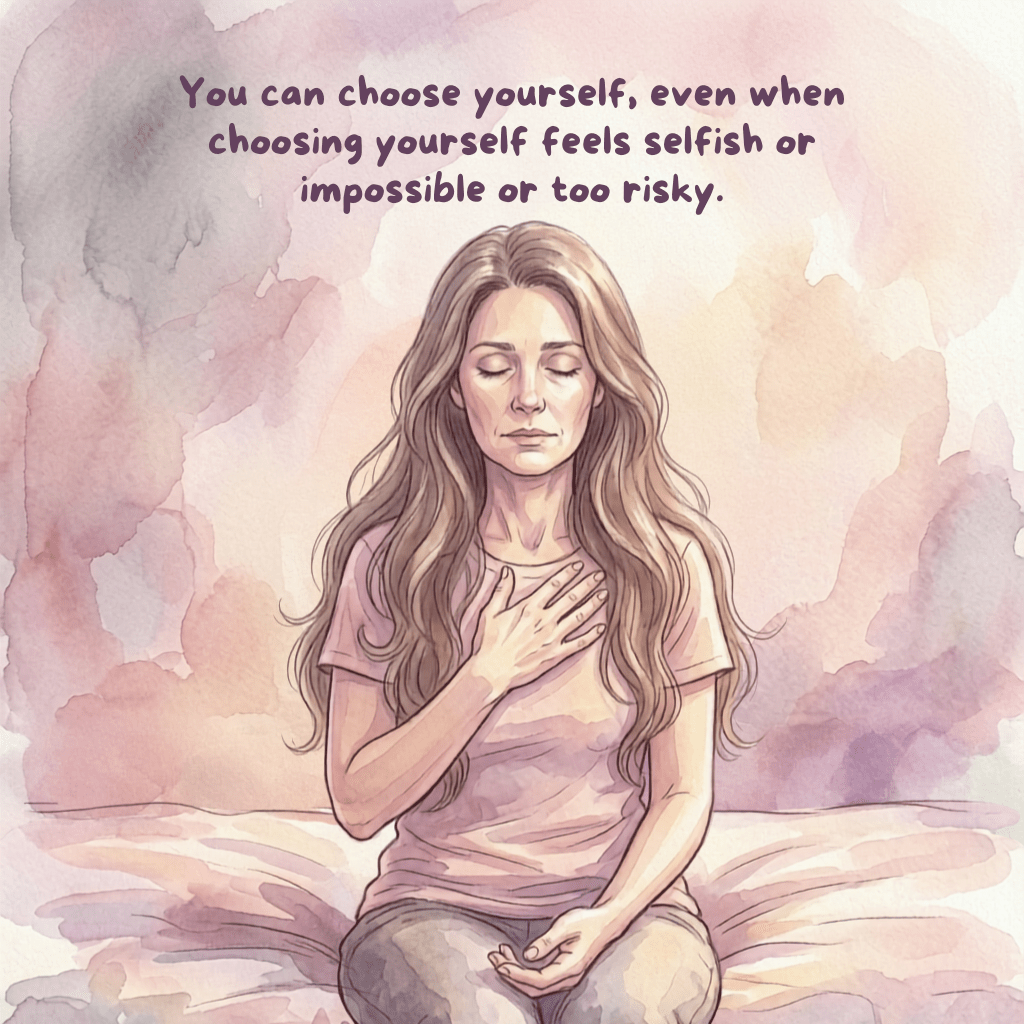
And if I can do it, if a person with a disability that makes the ordinary extraordinarily difficult can learn to take care of herself and find joy in that caregiving—then you can do hard things too. You can face the scary unknowns. You can choose yourself, even when choosing yourself feels selfish or impossible or too risky.
Especially then.
The Real Revolution
There’s something my clients at Phoenix Coaching learn—and something I’m learning still—which is that true transformation isn’t flashy. It doesn’t announce itself. It happens in the quiet moments when you’re learning to cook, when you’re figuring out how to fold fitted sheets (yes, I’m still working on that), when you’re in the store and you trust yourself to make a choice and live with the consequences.
Real change is the slow accumulation of small acts of self-respect. It’s the moment you realize that the person you’ve been waiting for—the person who will take care of things, who will make it okay, who will carry the weight—that person was inside you all along. She just needed permission to step forward.
I gave myself that permission when my caregiver left. Not because I wanted her to go, not because I’m ungrateful for the care I received, but because life gave me no choice. And in that moment of no choice, I discovered choice everywhere.
I choose what I eat. I choose when to rest. I choose how much risk I’m willing to take with my body on any given day. I choose the trajectory of my own life. Those choices come with consequences—I make mistakes, I’m not always right, I don’t always get it perfect. But they’re my choices. And that, more than anything, is what makes me feel alive.
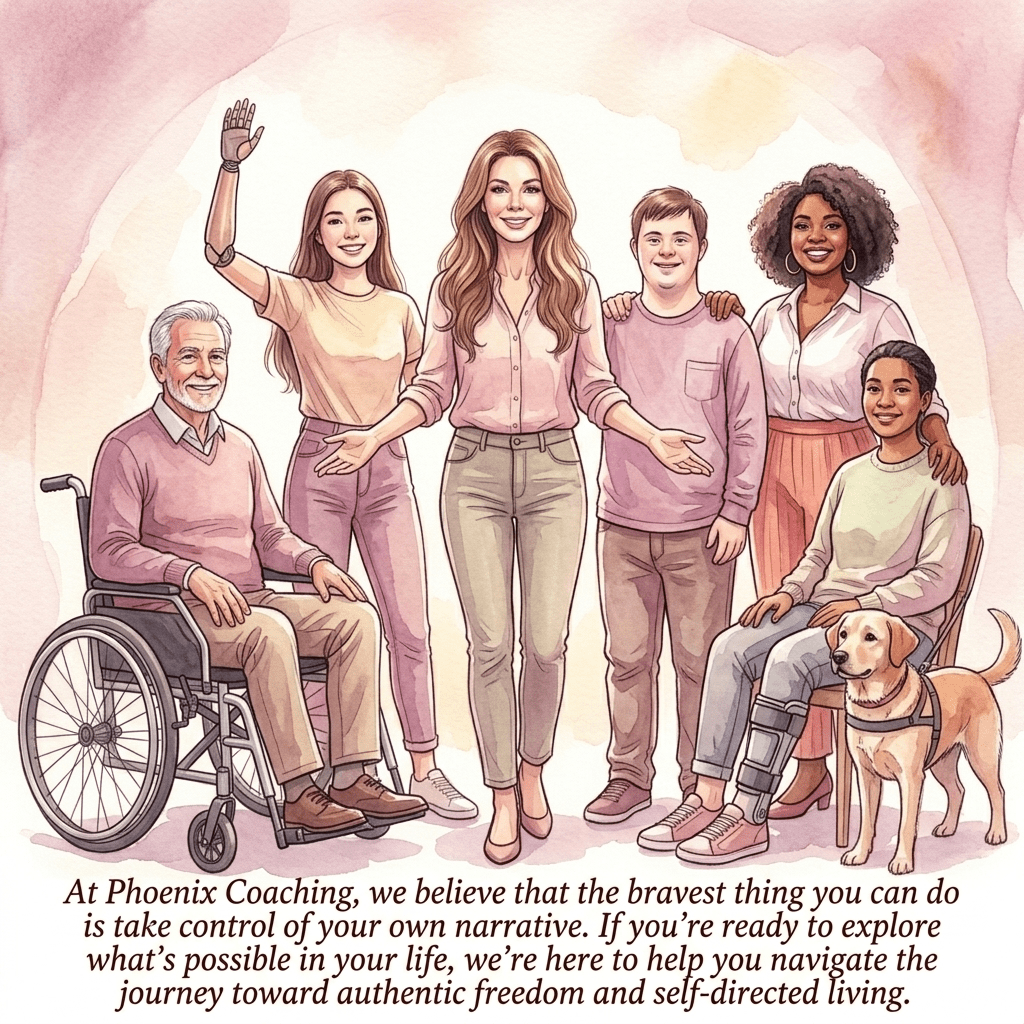
At Phoenix Coaching, we talk a lot about the narratives we tell ourselves. The stories we carry about what we’re capable of, what we deserve, what’s possible. My narrative used to be: I have a disability, therefore I am incapable. Now it’s: I have a disability, and I am capable. These things coexist.
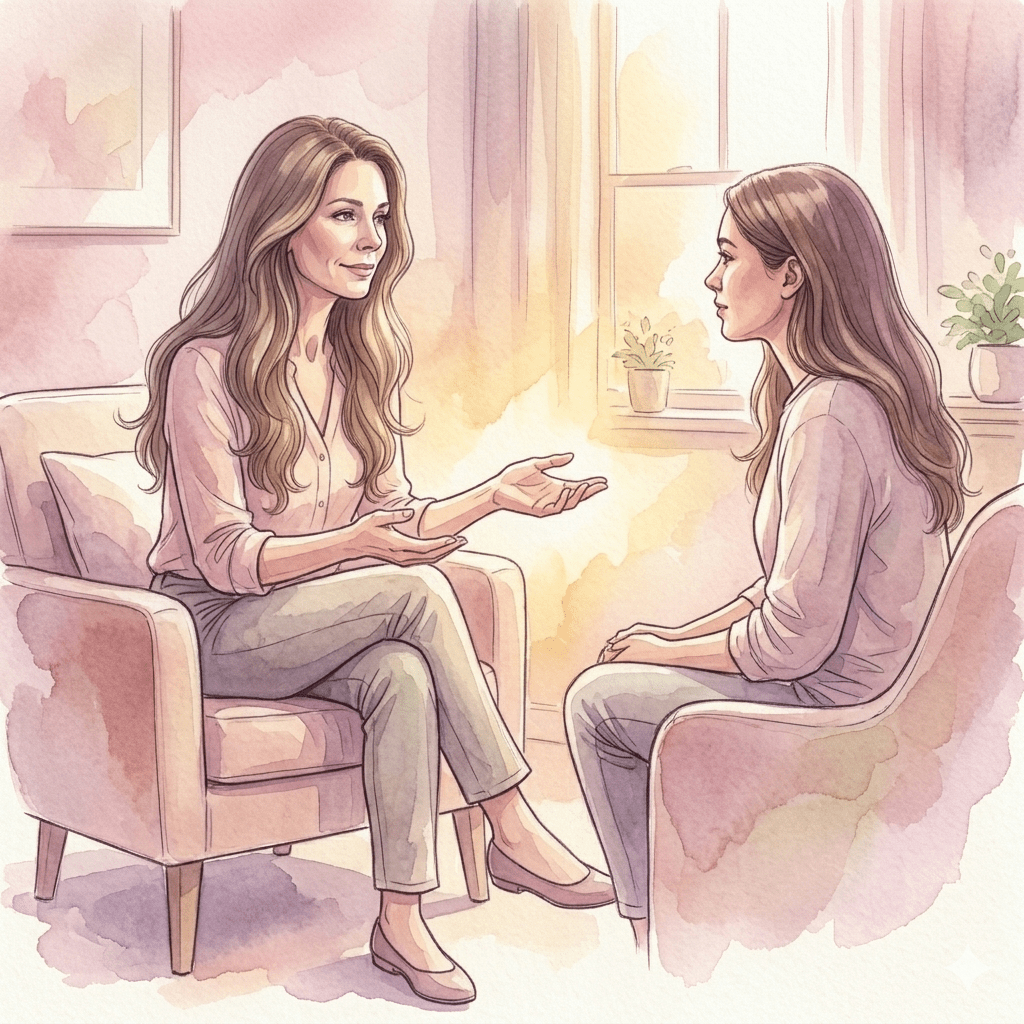
Maybe your narrative has limits too. Maybe you’ve been waiting for someone to save you, or give you permission, or make it safe. I’m here to tell you: you don’t need saving. You need to save yourself. You need to give yourself permission. You need to walk toward fear with intention and say: I’m scared, and I’m doing this anyway.
That’s not just possible. That’s beautiful. That’s revolutionary.
An Invitation to Your Own Brave Heart
I want to end this not with wisdom—I’m still too new to independence to claim that—but with an invitation. An invitation to take something you’re afraid of and take one small step toward it. Just one. Make that tea. Sign up for that class. Reach out to that person. Cook that meal. Ask for what you need, even though asking is terrifying.
You don’t have to be ready. Readiness is a myth we tell ourselves while we’re waiting. You’re ready enough right now, exactly as you are. You’re brave enough. You’re capable enough. You’re worthy enough of the effort it will take to build a life you actually want to live.
The scared feeling? That’s not a sign you shouldn’t do it. That’s a sign that it matters to you. That’s a sign that something real is on the other side of that fear.
I’m on the other side now, and let me tell you: it’s so worth it.
I look at myself with new eyes these days. Not eyes without flaws or struggles or hard days—but eyes full of respect. I respect what my body does, even when it’s difficult. I respect my own effort. I respect the woman who showed up and did the hard things even though she was terrified.
And I’m inviting you to show up that same way. Not for anyone else. For yourself.
Because you deserve a life that you build. You deserve to know yourself through the act of caring for yourself. You deserve to feel that deep, quiet pride that comes from looking at something you did and knowing that you did that.
So take the leap. Be scared. Be imperfect. Be gloriously, messily human. Build your own life, one brave choice at a time.
The freedom is waiting for you on the other side.
With fierce love and belief in your brave heart,
Your Guide at Phoenix Coaching


Leave a Reply